













Profile view of a bearded man wearing a dark green baseball cap and a dark gray T-shirt against a plain light background.

Is a cold-climate mini split worth it in Maryland

Step 1 of 3: Equipment

Is a cold climate mini split actually worth it in Maryland

You've got a mini split and you're wondering if paying more for the cold climate version actually made sense here, or if a standard one would have done the job just fine. Maryland winters aren't brutal like New England, but they're not mild either, and you want to know if that extra capability is doing anything for you or if it was just a upsell.

Yes, because it keeps heating when a standard mini split would switch to backup electric resistance heat

A standard heat pump mini split loses most of its heating capacity once the outdoor air drops into the 20s and 30s. A cold climate model is built to keep pulling heat out of air that cold, often down into single digits, without leaning on a backup electric strip. That matters here because most homes in Maryland heat with electricity, and electric resistance heat is the most expensive way to warm a house. On the nights your area dips into the 20s, a cold climate unit keeps running efficiently instead of defaulting to strip heat. Summers here get sticky too, and the same unit handles that cooling load without any trade-off for having the cold weather capability built in.

A gray-haired, bearded man in a dark coat dusted with snow stands smiling in a dimly lit room with a lamp, mirror, framed art, and a sofa in the background.
An older man with white hair and a beard, wearing a dark snow-dusted coat and scarf, stands in a warmly lit interior hallway with a framed landscape picture, a table lamp and a potted plant behind him, and a snowy view through a window at left.
An older man in a dark snow-flecked overcoat and scarf stands smiling in a warmly lit home entryway, with a glass-paned door showing darkness outside and a lamp-lit room visible through a doorway behind him.
An older man with gray hair and a beard, wearing a dark snow-dusted jacket and scarf, stands smiling in a warmly lit interior hallway with a lit table lamp, a vase of dried branches, and a framed picture in the background.

A mini split moves heat by compressing refrigerant, and how well it does that when it's cold outside comes down to the compressor. The cold climate version uses a larger one, built with a vapor injection cycle that lets it pull in extra refrigerant as the temperature drops. That's what keeps it putting out heat when a standard unit would be struggling. It doesn't run flat out all the time either. The compressor varies its speed to match what the house needs, rather than cycling fully on and off, and that's part of how it keeps up on a cold night without wasting power. Frost on the outdoor coil is normal in damp, cold weather, and the system clears it with a defrost cycle that reverses briefly and sends a short burst of cool air inside before switching back. In Maryland, the nights cold enough to really separate a standard unit from a cold climate one are the exception, not the rule. But on those nights, keeping the mini split working means the electric backup heat, which costs more to run, stays off longer.

How the cold climate system holds up

  • A cold climate mini split uses a bigger compressor and an enhanced vapor injection cycle to pull in more refrigerant when it's cold outside.
  • Below about 5 degrees, a standard heat pump's output drops off fast, while a cold climate unit keeps producing most of its rated heat.
  • The outdoor coil still frosts up in damp cold, so the system runs a defrost cycle that briefly reverses and blows cool air inside.
  • A cold climate compressor ramps its speed up and down instead of just switching on and off, which is what lets it hold output at low temperatures.
  • Maryland rarely sees extended stretches below 5 degrees, so the gap between a standard and cold climate unit shows up on the coldest nights of the year, not all winter.
  • Since most homes here heat with electric resistance as backup, a mini split that keeps working at low temperatures means that backup heat kicks in less often.
A woman wrapped in a cream textured blanket sits in an armchair beside a lit lamp and a dark window, with an open book in the foreground.
A bearded man in a blue and brown plaid flannel shirt stands indoors looking out a window at snow-covered trees, with a ceramic mug on the windowsill.

What a standard unit gives up

A standard heat pump is sized around mild cold, not Maryland's coldest mornings. Once the outdoor temperature drops into the teens, its capacity falls off enough that a backup heat source has to pick up the difference. In most homes here that backup is electric resistance heat, strip heat built into the air handler or a separate baseboard setup. That backup heats fine, but it draws a lot more power to do it. Since most homes in Maryland already heat with electricity, and electricity here isn't cheap, every hour that backup runs is an hour your bill climbs faster than it needs to.

Where the difference shows up

Check how your mini split performs on the coldest nights of the year, not the mild ones. If it keeps putting out warm air when the thermometer is sitting in the teens, that's the cold climate compressor and the vapor injection cycle doing their job, and the backup heat is staying off. A standard unit would be leaning on that backup through those same hours. You won't see the difference in October or in March. You'll see it in January, on the nights Maryland actually gets cold, which is exactly when the extra cost of the cold climate unit either paid for itself or didn't.

Power costs 19.53 cents per kilowatt-hour statewide

At 19.53 cents per kilowatt-hour, every degree your mini split struggles to produce gets made up by strip heat or a backup system, and that runs up your bill fast. A cold climate unit holding its output on a cold night is the difference between your heat pump doing the work and your backup heat doing it instead.

EIA-861 2025 statewide residential average

A wall-mounted mini-split air conditioner indoor unit with visible dust and staining, installed on a beige interior wall below white crown molding.
Before you get your mini split installation
A white wall-mounted mini-split indoor unit high on a beige interior wall, with a potted olive-like tree at right and an armchair and window visible through a doorway at left.
After you get your mini split installation

Why does your mini split struggle on the coldest mornings

You'll notice it first thing in the morning, when the air coming out feels cooler than it should and the room takes longer to warm up. The outdoor unit may run almost constantly without the house ever quite catching up. If backup heat is kicking in to cover the gap, you'll hear it click on, and you'll see it on your electric bill before you see it anywhere else. None of this means the system is broken. It means it's working harder than it should on a cold climate's coldest days. Left alone, that's not damage to the equipment, but it is money spent keeping a room comfortable that a properly matched unit would have handled on its own.

A two-story house with light beige horizontal siding, a gabled roof, a small covered front porch with dark door, and shrubs along the foundation, set behind a mown lawn and wet sidewalk with large leafy trees on both sides.

Summer here carries a dew point around 64°F across June, July and August, averaged over where Maryland homes sit, according to NOAA. That's the sticky air you feel the moment you step outside. Your mini split has to wring that moisture out of the air before the room feels comfortable, not just cool it. A unit sized and installed right keeps pulling that humidity down even on the muggiest afternoons, while one that's undersized or poorly set up will cool the air but leave it feeling damp. If you want a second look at how yours is running, a licensed Maryland contractor who works on these systems all summer can tell you quickly what's normal and what isn't, and you'd hear from just that one contractor, not a handful of companies competing for the job.

NASA POWER T2MDEW county cells weighted by homes

Get your mini split to the right pro

If your mini split is the standard version, the coldest nights are when you find out. That's when a backup system kicks in and your bill jumps, and it's electric heat backing it up for most homes in Maryland, which makes the gap expensive instead of just annoying. Swapping to a cold climate unit, or sizing the next one correctly from the start, isn't something to guess at over the phone. It matters whether the install accounts for your home's actual heat loss on a 15 degree morning, not just the square footage. A contractor local to Maryland who works on these systems through the winter has seen which installs hold up and which ones leave a homeowner running strip heat every cold snap. Getting matched with one means someone looks at your situation specifically, not a general answer, before you decide what to do about the unit you've got.

A white wall-mounted mini-split air conditioner indoor unit installed near the ceiling on a plain beige wall.

Summer with a standard unit

A standard mini split still cools fine on a hot Maryland afternoon. The strain shows on the muggy days, when it has to run long cycles to wring the moisture out of the air before the room feels comfortable. It can keep up, but it leans on long runtimes to do it, and those hours add up on a bill already shaped by what Maryland charges per kilowatt-hour.

A white wall-mounted mini-split air conditioner on a plain off-white interior wall, with a gray curtain at the right edge.

Summer with a cold climate unit

The same muggy afternoon looks different with a cold climate unit, not because it cools harder, but because the compressor modulates more precisely and holds a steadier cycle instead of swinging between full blast and off. You get drier air without the unit working in long stretches to get there. The difference shows up less in how the room feels and more in how many hours the compressor logs getting it there.

A woman in a cream sweater and jeans stands in the open doorway of a white stucco house, holding the dark door, while a man in a dark quilted jacket seen from behind walks toward the entry past potted plants.

What this means for your house

If your mini split is the standard version, you'll feel it in specific rooms on specific nights. The bedroom farthest from the outdoor unit gets the short end on a January morning. A space heater comes out, or the backup system kicks on, and that cost lands on an electric bill that's already high before you add a single extra kilowatt-hour. None of that shows up as a breakdown. It shows up as a house that's just a little cold where you spend a third of your life, and a bill that doesn't match the comfort you got for it.

A cold climate unit changes what you ask of the rest of your heating system, and that's worth checking against what you actually have installed, not assuming either way. A contractor who installs these year-round in Maryland can look at your specific unit, your layout and what's backing it up, and tell you whether swapping in a cold climate system closes that gap or whether something else in the setup is the real problem. One contractor, local, looking at your house instead of a general answer.

Interior corner of a living room with a beige upholstered sofa and dark cushion in the foreground, a ceramic vase of leafy branches on a dark side table by a curtained window, a framed picture on the wall, and a wood-surround fireplace at right.
A white wall-mounted mini-split air conditioner unit installed high on a beige interior wall below white crown molding, with a window and woven shade at the left edge showing green foliage outside.

A mini split running clean

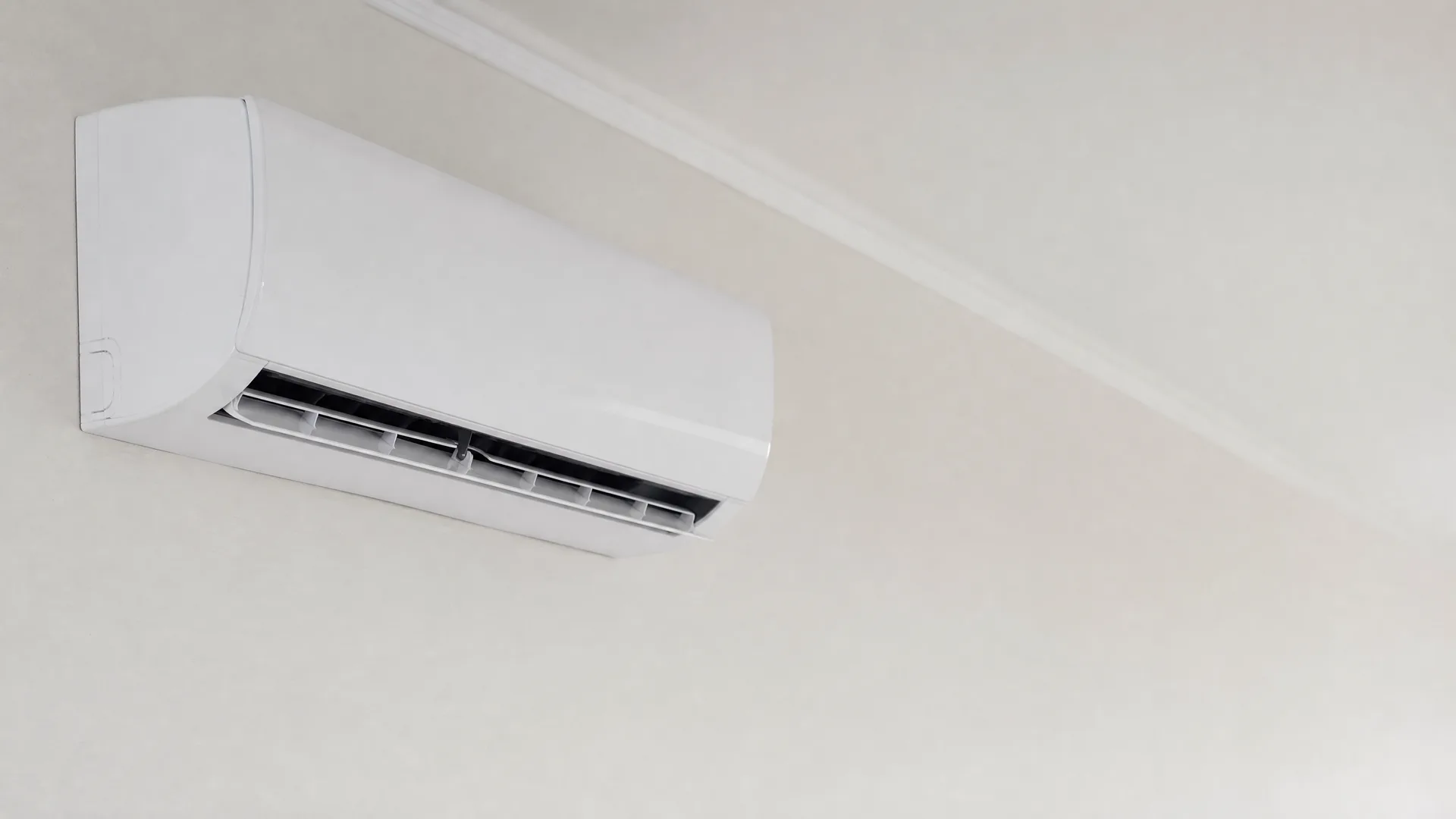
A mini split that gets looked at now and then keeps its coil and blower wheel clear, so it can move the air it's rated for. It pulls moisture out fast on a muggy day and holds its heat output on a cold one. The unit on your wall should look like this one.

A dusty, stained white wall-mounted mini-split air conditioner indoor unit installed high on a plain off-white interior wall near the ceiling.

A mini split left alone

Dust and grime build up on the coil and housing when a mini split goes unchecked for a long stretch. That buildup cuts the airflow, so it works harder for less cooling and less heat. A contractor who services these year-round can tell you if yours has reached that point.

So is a cold climate mini split worth it in Maryland. For most homes here, yes, especially with electric heat carrying the backup load on the coldest mornings. The unit holds its output when a standard one would already be leaning on strip heat, and that's what keeps your bill from spiking in January. If you're not sure which version is on your wall, or you know it's the standard one and you've felt the gap on a cold morning, that's worth having someone look at. A contractor who works on these systems all year in Maryland has seen which parts give out first in this climate and what a install here actually needs, not a generalized job. You'd be matched with one local contractor for this, not a handful calling at once, so you're dealing with someone who knows the equipment and the weather it has to run in, not just whoever picks up first.

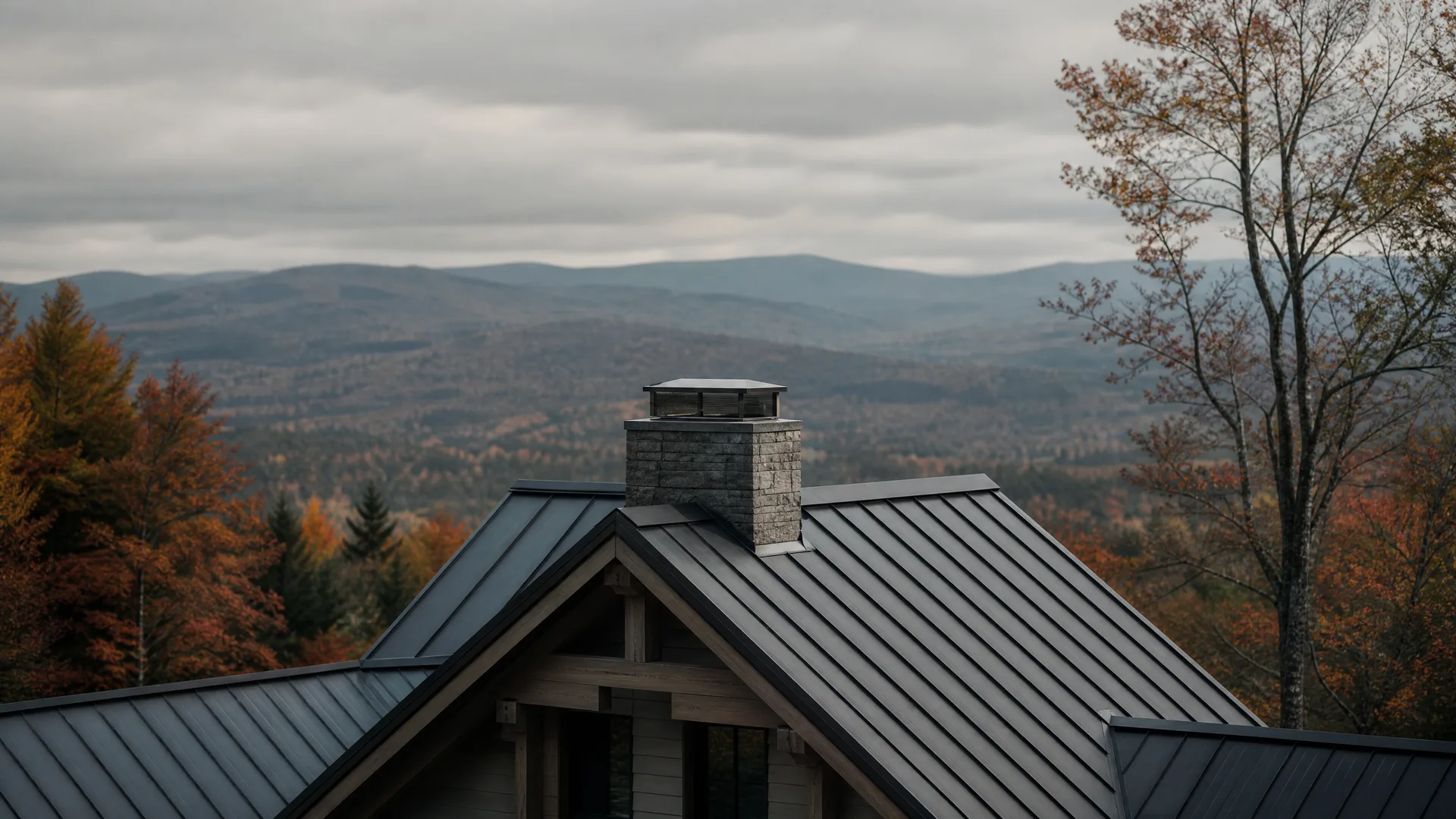
A dark standing-seam metal roof with a stone chimney and metal cap, seen against a backdrop of autumn-colored forest and layered hills under an overcast sky.

The right pro for this job

Get a local pro

Sending the form costs nothing.

A local contractor who works on mini splits all year can look at yours and tell you whether it's holding up its end on the coldest mornings. One visit gives you an answer instead of a guess, and you're only hearing from the one company that comes out.