Tell us about the job
Takes about a minute. No obligation.
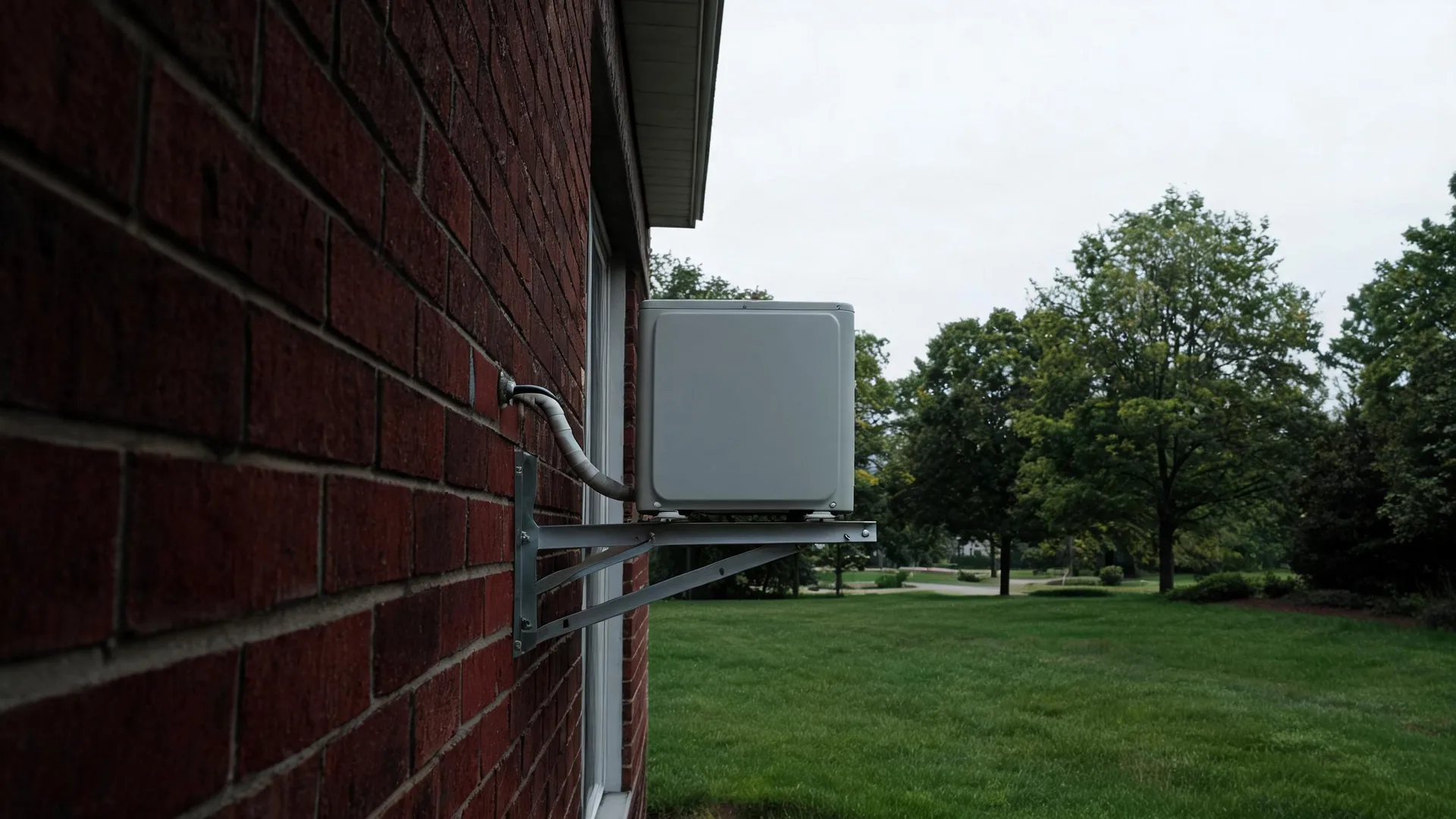
A mini-split running exclusively for heat puts its compressor, reversing valve, and refrigerant circuit through a workload pattern most repair diagnostics do not expect. Homes in Garrett County, MD have essentially no cooling season — no month of the year is warm enough to call for it. The reversing valve, which switches the system between heating and cooling, sits in its heating position through every cycle and can seize there without any obvious sign until a homeowner asks for cold air. A contractor diagnosing a fault here has to account for that one-sided wear history before reaching any conclusion about the compressor itself, because a compressor that tests poorly in cooling mode may have been asked to reverse for the first time in years.
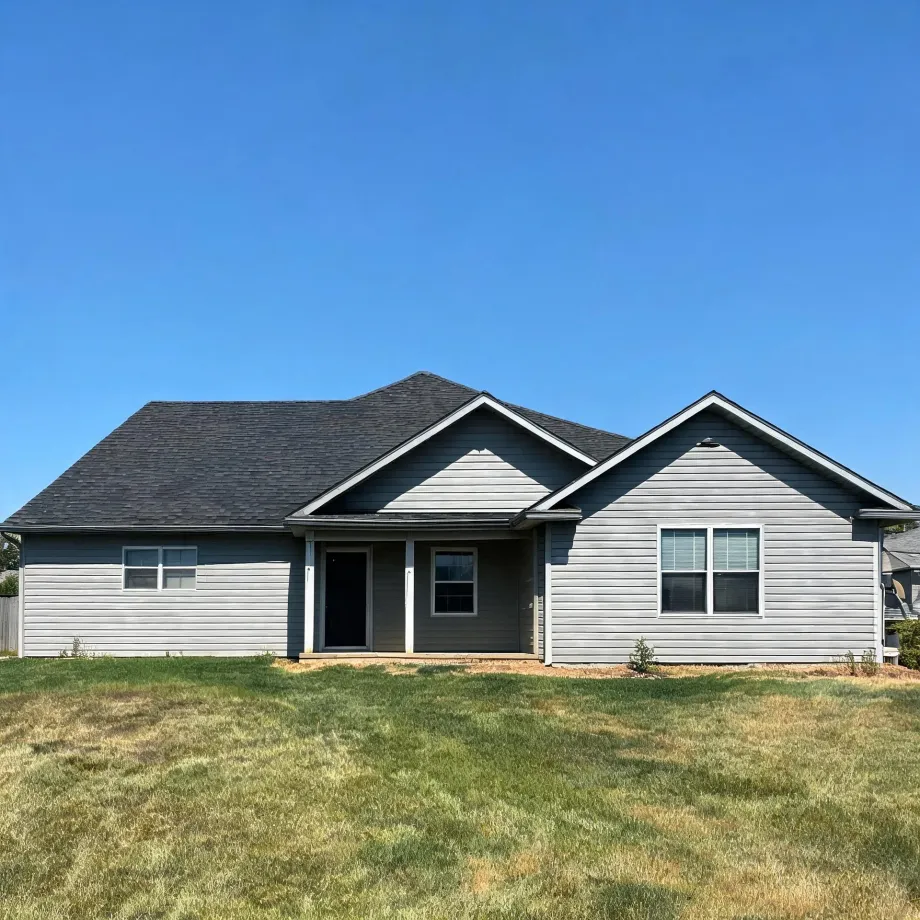
Wiring and refrigerant lines in a house this old were sized and routed for whatever system was running when the house was built, and that system is long gone. Half the homes in Garrett County, Maryland were built in 1982 or earlier (2020-2024 ACS 5-year). When a mini-split fails and a contractor opens it up, what they find in the walls behind it shapes the repair as much as the unit itself does. Older branch wiring that was adapted for a newer system can hide the real cause of a fault, and a contractor who skips that check prices the job wrong.
The Parts of a Mini-split a Contractor Checks First
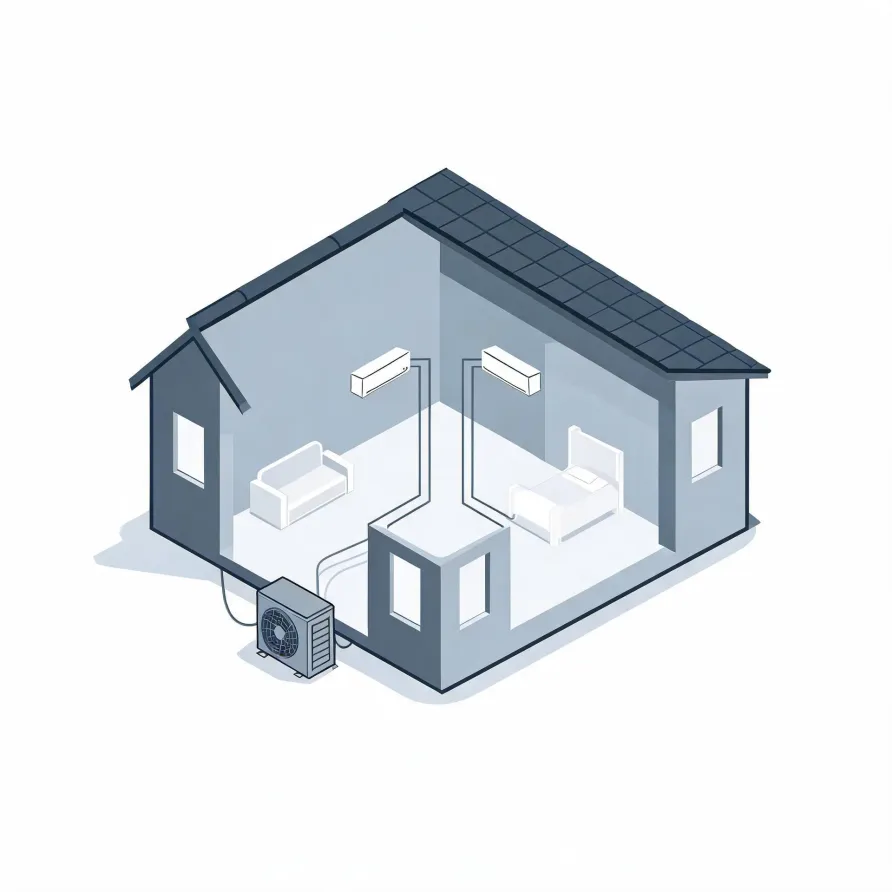
The indoor air handler mounts high on a wall inside the room and is where most visible problems show up first: ice on the unit, weak airflow, or odd sounds. Behind its front panel sit the evaporator coil and the blower wheel, both of which a contractor pulls and inspects when the system stops cooling or heating the way it should.
The outdoor condenser unit holds the compressor and the condenser coil. These are the parts a contractor reaches for when the system runs but produces little effect, or when it trips a breaker and shuts down. The refrigerant lines that connect the two units pass through the wall and carry their own set of failure points, including leaks at the flare fittings.
The drawing shows a typical layout, and a licensed contractor determines which components apply to the specific system in your home.
Get matched in Garrett CountyGarrett County by the numbers
74 severe weather events were recorded in Garrett County, Maryland between 2015 and 2024.
NOAA National Centers for Environmental Information, Storm Events Database, bulk CSV export, events 2015-01-01 through 2024-12-31.Half the homes in Garrett County, Maryland were built in 1982 or earlier (2020-2024 ACS 5-year).
U.S. Census Bureau, 2020-2024 American Community Survey 5-Year EstimatesGarrett County, Maryland holds 18,642 housing units (2020-2024 ACS 5-year).
U.S. Census Bureau, 2020-2024 American Community Survey 5-Year EstimatesOwners occupy 79.7% of the occupied homes in Garrett County, Maryland (2020-2024 ACS 5-year).
U.S. Census Bureau, 2020-2024 American Community Survey 5-Year EstimatesCodes and Standards Governing Mini-Split Repair in Garrett County, Maryland1 sourced rules and standards
Licensing Rules for Garrett County, Maryland
Maryland requires a state licence before an individual provides, or assists in providing, heating, ventilation, air-conditioning or refrigeration services.
Severe Weather Events in Garrett County
Extreme weather puts real stress on heating and cooling equipment, shortening the life of components and pushing systems into failure at the worst moments. How often that happens here shapes how hard a mini-split in Garrett County works and how quickly a repair need can develop.
74 severe weather events, 2015–2024. Source: NOAA National Centers for Environmental Information, Storm Events Database.