What a mini split tune-up covers in Maryland

Step 1 of 3: Equipment

A mini split tune-up covers cleaning the indoor coil and filters, checking the refrigerant charge, clearing the condensate drain, inspecting the outdoor unit and electrical connections, and testing how the system cycles on both heat and cool. Maryland mini splits run two jobs most of the year, cooling through sticky summers and heating through winter, since most homes here use electric heat. That double duty means the coils and filters collect more dirt and the system logs more running hours than one that only cools. A clogged filter or a dirty coil makes the unit work harder to move the same amount of heat, and since electricity here isn't cheap, that shows up on the bill before it shows up as a breakdown. A tune-up catches a weak connection or a low charge while it is still a small problem, before a July heat wave or a January cold snap turns it into no heat or no air at all.

A white wall-mounted mini-split air conditioner near the ceiling of a room with light gray walls, white crown molding, and a beige curtain at the left edge.

Running clean

The coil is clear and the filters are fresh, so the unit pulls air through without a fight. It holds the temperature you set it to instead of drifting from it. In August that matters, because a mini split working this easily is one that isn't running longer than it has to on a grid where every extra hour shows up on the bill.


A dusty beige wall-mounted mini-split air conditioner indoor unit installed high on a plain light-colored wall below the ceiling.

Running dirty

Dust has packed into the coil and the wall above the unit has started to stain. A mini split in this shape is pulling air through a clogged path, so it runs longer to do the same job. Left alone, that staining is often condensate finding a way out where it shouldn't.

Skip It or Get It Serviced

Skip the tune-up

  • A dirty filter makes the indoor unit run longer to hit the same temperature, and in January that's electric heat running longer, not gas.
  • A low refrigerant charge won't show up as a leak you can see, it shows up as a system that can't keep up on the hottest or coldest days.
  • A clogged condensate drain backs up and drips inside the house before you notice the unit struggling.
  • You find out something's wrong when the system can't keep the house comfortable, often on a day you need it most.
  • Electric heat is already the more expensive way to warm a Maryland home, and a mini split working harder than it should makes that worse.

Get it serviced

  • Cleaning the coil and filters now means the unit pulls air through freely instead of fighting through buildup all winter.
  • Checking the charge catches a slow leak before it turns into a system that can't hold temperature in August.
  • Clearing the drain line before the cooling months means no backup, no drip, no surprise.
  • Testing the switch between heat and cool confirms the system is ready before the first cold snap, not during it.
  • A contractor who services this equipment every season in Maryland knows which parts tend to fail first in a mini split and checks those.
A man in a navy sweater reclines with closed eyes in a beige armchair in a living room, with a lamp, wooden cabinet, bookshelf, potted plant, and a side table holding a newspaper and mug nearby.
A man in a blue henley shirt reclines on a leather chair with his eyes closed, beside a window, a houseplant, a side table with a newspaper and a dark mug.
A man in a gray sweatshirt reclines with his eyes closed in a dark leather chair, with a bookshelf behind him and a side table holding folded newspapers, a mug, and a potted plant by a window.
A man in a blue sweater leans back on a brown leather chair with his eyes closed and a slight smile, in a room with bookshelves, framed pictures, a potted plant by a window, a folded newspaper and a dark mug on a table.

A mini split's outdoor unit has no belts or pulleys to inspect. It runs on a direct-drive compressor, so a tune-up looks instead at the electrical connections and the refrigerant charge, the two things that actually wear.

That's why a contractor checks the charge with gauges instead of guessing from how the air feels. A system low on refrigerant can still blow cold air, just not enough to keep up when it's 95 degrees outside.

A white wall-mounted mini-split air conditioner indoor unit installed near the ceiling on a plain light-colored wall, with its horizontal outlet vent and louvers visible.
Before you get your mini split maintenance
A white wall-mounted mini-split air conditioner on a beige interior wall, with a curtained window on the left and wood flooring with a light rug below.
After you get your mini split maintenance

What a skipped filter costs you

A mini split with a clogged filter runs longer to move the same amount of air. In a house heating with electricity, that longer run time shows up on the bill before it shows up anywhere else. You might not notice the house feels a little less cool in July or a little less warm in January, because the change is gradual. What you will notice is the number on the electric bill climbing while the thermostat setting stays the same. A tune-up catches the filter and the coil before that creep sets in, which is the part of the service that pays for itself fastest.

What a missed leak risks

A refrigerant leak doesn't announce itself. There's no puddle, no smell, no sound. What happens instead is the system runs longer and longer to reach the temperature you set, and the compressor works harder doing it. Left alone through a full Maryland summer, that strain is what shortens a compressor's life. A tune-up checks the charge against what the system calls for, so a slow leak gets caught as a number on a gauge instead of as a repair bill in August. It's the one failure in a mini split that maintenance can catch before it becomes a replacement.

A gray-haired man in a blue quarter-zip sweater sits in an armchair with his eyes closed, beside a large window with bare trees outside and a potted plant and lamp nearby.
A woman in a cream knit sweater sits in an armchair with her eyes closed and head tilted back, beside a window showing orange autumn foliage and a wooden side table with a mug.

Let someone else find the pro

A licensed local pro takes the request for your mini split tune-up.

Sending the form costs nothing.

A single-story house with light gray horizontal siding, dark gray shingled gables, black shutters and a dark front door, fronted by a mulched bed of small shrubs and a large lawn under a clear blue sky.

Averaged across Maryland summers, the dew point sits at 64°F through June, July and August, according to NOAA climate data. That's thick, sticky air, the kind that makes a room feel warm even when the thermostat says otherwise. A mini split pulls moisture out of that air as it cools, and when the coil and filters are clean, it keeps up with it. Let the coil get coated with dust or the drain line clog, and the unit has to work harder to wring the same water out of the air. You'll feel it as a room that cools down but still feels damp.

NASA POWER T2MDEW county cells weighted by homes

A white wall-mounted mini-split air conditioner on a beige interior wall, next to a window with sheer white curtains and green foliage outside.
A clean unit like this one pulls air through an open coil and holds whatever temperature you set it to.
A dusty, discolored wall-mounted mini-split air conditioner indoor unit on a plain white wall, with its horizontal louvers and vent grille visible.
A top this dusty means the coil underneath is likely coated too, and the fan is working harder to push air past it.

What does a tech actually check first on a mini split tune-up?

You want to know what actually happens when someone shows up to service your mini split, not just a vague list of tasks. Knowing the order helps you tell a real tune-up from someone rushing through it.

The filter comes out first, before anything else is touched

A clogged filter blocks the contractor from seeing or testing anything else correctly, so it comes out before the panel is even fully open. With it out, the indoor coil is visible, and that's checked next for dust or mold buildup since a dirty coil behaves like a dirty filter even after you've just cleaned the filter itself. Only after the coil is clear does a contractor move to the refrigerant charge, using gauges at the line set. That order matters because a weak reading on a dirty system doesn't tell you much. Checking airflow first means the charge reading that follows actually means something.

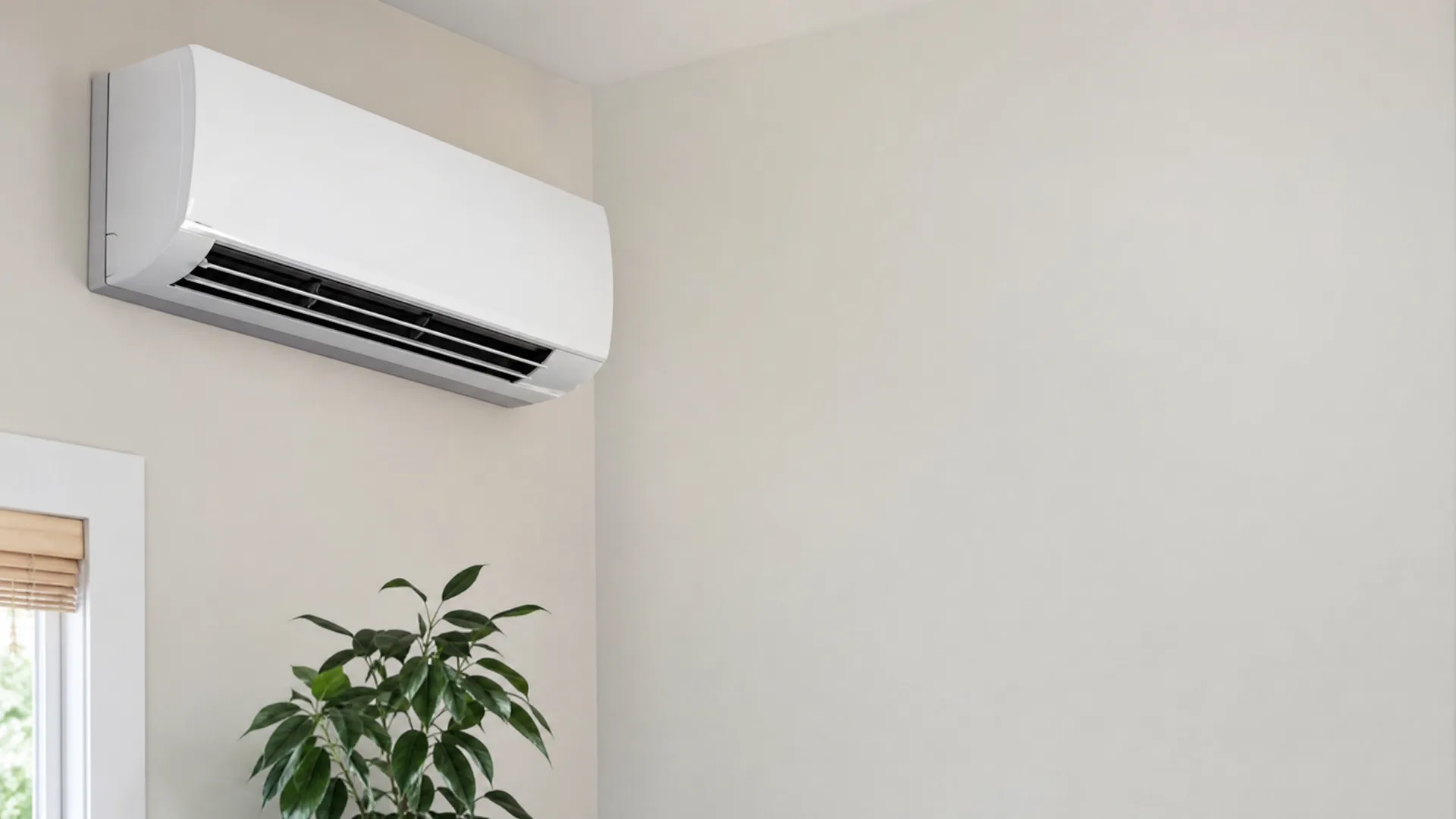
A white wall-mounted mini-split air conditioner near the ceiling of a beige interior corner, with a green houseplant and a curtained window at the lower left.

A tune-up booked ahead of summer

You call before the heat sets in, while the coil is still easy to get to and the contractor isn't juggling five breakdown calls a day. A local pro who works on mini splits all season can usually get you on the schedule without a long wait. They check the refrigerant charge and clean the coil while the unit is sitting idle, not struggling to keep up with a 90 degree afternoon. Nothing is urgent yet, so nothing gets rushed.

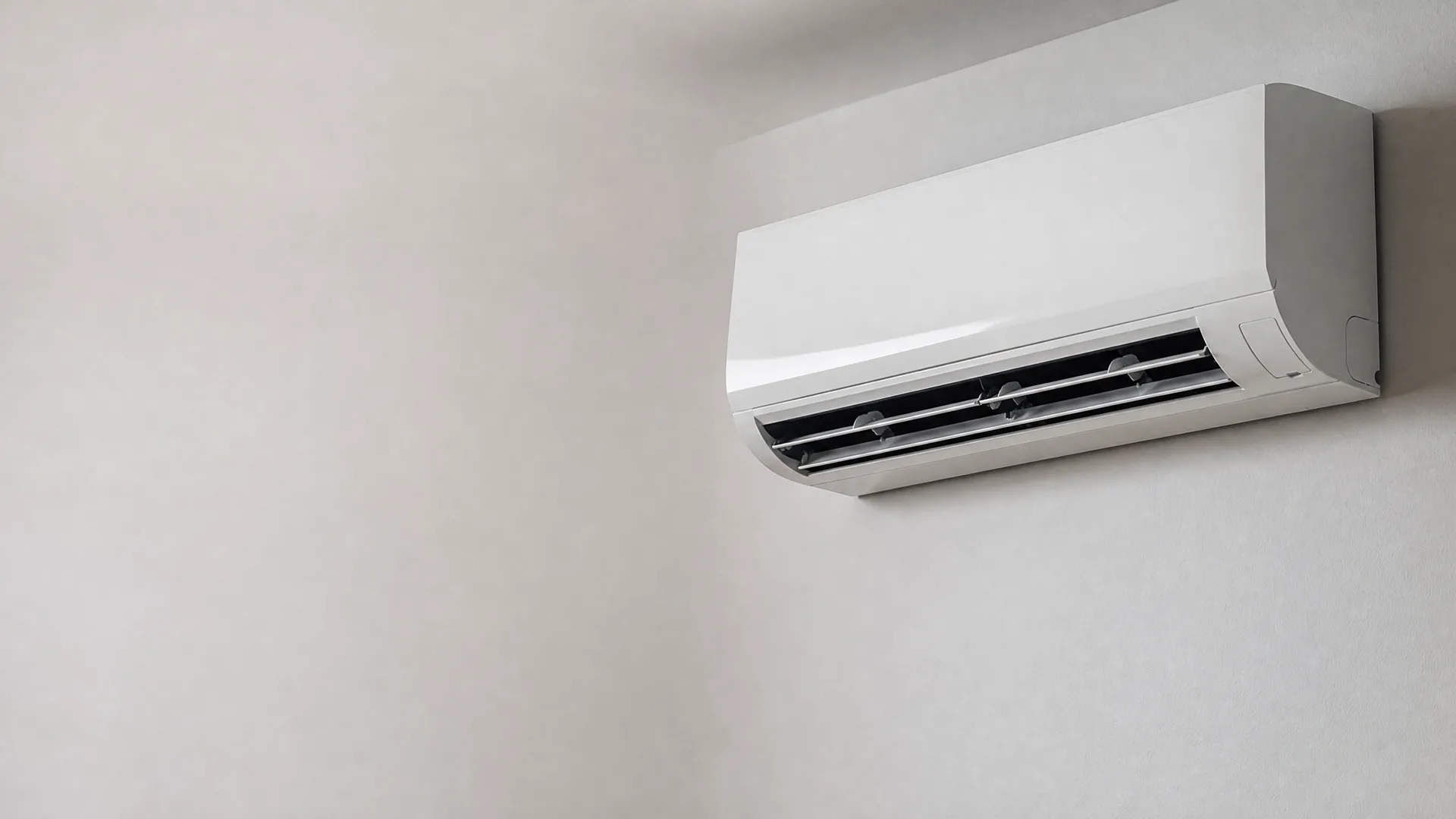
A white wall-mounted mini-split air conditioner indoor unit on a plain light gray wall, positioned to the right of frame.

A tune-up booked after it fails

You call once the house is already warm and the unit is blowing air that isn't cold. Now the contractor is working against a system that's been straining for days or weeks, maybe pulling in a low charge that's gotten worse or a coil that's been fighting dust the whole time. Diagnosis takes longer because something has to be ruled out before it can be fixed. You're also waiting in a Maryland summer with a room that doesn't cool, which is a different kind of waiting than booking ahead.

Power costs 19.53 cents per kilowatt-hour statewide

At almost 20 cents a kilowatt-hour, a mini split that's running longer than it should costs you more here than it would in most states. Since your heat is electric, a skipped tune-up doesn't just mean a warmer room. It shows up as a bigger number on next month's bill.

EIA-861 2025 statewide residential average

What a tune-up settles

  • A mini split tune-up means the coil, filters, drain and refrigerant charge all get checked before the heat or the cold sets in.
  • A local contractor who services mini splits all season knows which parts on your model tend to fail first.
  • Booking one contractor instead of several means one visit on the schedule, not a string of competing calls to field.
  • Maryland's humid summers and electric winter heat both lean on a mini split that's already running clean.
  • Once you send the request, finding that contractor stops being something you have to chase down yourself.

A mini split tune-up comes down to a handful of checks: the coil and filters are clean, the drain runs free, the refrigerant charge is correct, and the system cycles the way it should on both heat and cool. That's the whole job. Nothing about it changes because you're in Maryland, but what happens if you skip it does. A dirty filter running through a muggy July costs you differently than it would somewhere dry, and electric heat running longer through a Maryland January shows up on the bill faster than gas would. The equipment doesn't know what state it's in. The bill does.

Finding someone to do this work is the part that usually stalls people out, not the deciding. A contractor who works on mini splits all season in your area has seen your model's compressor fail, seen its drain clog, knows what usually goes first and checks that before anything else. That's different from a company that mostly installs furnaces and does mini splits on the side. You're matched to one contractor, not sent out to field calls from five of them trying to win the job.

Once that request is sent, the looking-around is done. You're not holding a list of numbers to call, deciding who sounds legitimate. One local contractor, already familiar with this equipment, takes it from there. The tune-up itself is simple. Getting to it doesn't have to be the hard part.

A curving paver walkway runs alongside a house with beige lap siding and a white-trimmed window, bordered by low shrubs, grassy plants, and trees in sunlight.
A dark-framed casement window with divided upper panes set in a stucco wall beside a stone-clad section, with hydrangeas, hostas and trimmed shrubs in a mulched bed above a lawn.
White horizontal lap siding wall with a single six-pane double-hung window, above a mulched bed of hydrangea shrubs with browning blooms, bordered by mown grass in low sunlight.
Interior corner with tan plaster walls, a potted olive tree in a large terracotta urn beside a floor-to-ceiling window, and a wooden bench with a beige cushion on a herringbone brick floor partly covered by a woven jute rug.
A wooden bench beneath a window holds a green linen cushion and a fringed cream throw, with a woven basket stored underneath on a wood plank floor.

One request and it's handed off

Your request goes to one pro, not a list of companies.

Hand it over

You're not committing to anything by asking.